Aviation Switching Module – NSN 4920-01-250-2696 (AS-IS / Untested): Military Aviation Electrical Module
Aviation Switching Module – NSN 4920-01-250-2696 (AS-IS / Untested): Military Aviation Electrical Module
Blog Article
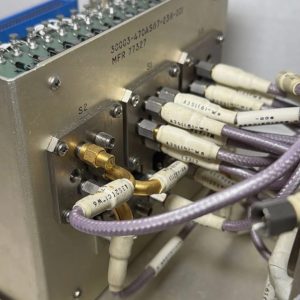
The Aviation Switching Module – NSN 4920-01-250-2696 (AS-IS / Untested) combines recognizable aviation hardware, an identifiable National Stock Number, potential electrical-control functionality, and commercial value for informed specialist buyers.
An Aircraft Switching Module and Aerospace Switching Module should be treated as specialized equipment rather than universal components that can be connected to any aircraft electrical system.
The Aircraft Electrical Switching Module may route selected circuits, while the Aviation Electrical Control Module, Aircraft Power Switching Module, Aerospace Electrical Control Unit, and Aircraft Signal Switching Module terms should not be interpreted as confirmed functions without documentation.
Accurate use of Aviation Control Module, Aircraft Electronic Switching System, Aerospace Switching Unit, and Aircraft Electrical Module terminology improves SEO without creating unsupported functional claims.
Overview of the Aviation Switching Module
Accurate NSN verification helps reduce purchasing errors and prevents an unrelated module from being represented as compatible equipment.
Complete identification increases the value of the Aviation Switching Module for restoration, research, inventory management, or component evaluation.
Buying an Untested Aviation Module
The buyer should plan for professional inspection, troubleshooting, repair, parts replacement, or display-only use.
Professional evaluation protects the module, technician, test equipment, and any associated aerospace system.
Aircraft Circuit Selection Equipment
Application accuracy protects buyers from assuming that a broadly named Aircraft Switching Module will fit their project.
Switch movement can be checked gently for obvious binding or damage, but mechanical movement does not establish electrical operation.
Aerospace Switching Module Construction
The module may have been designed for vibration, transportation, storage, maintenance, or aerospace operating environments, but present performance should not be assumed.
Proper connector protection preserves the Aerospace Switching Module for future testing or restoration.
Inspecting Aviation Module Wiring
Discoloration near connectors or switches may indicate electrical heat, chemical exposure, or ordinary aging and should be investigated.
Methodical inspection protects the integrity and research value of the Aircraft Electrical Switching Module.
Maintaining Electrical Control Equipment
The exact interface must be established through diagrams, manuals, connector data, or verified system information.
Aggressive solvents, scraping, repainting, or polishing may remove original information.
Aircraft Power Switching Module Considerations
An Aircraft Power Switching Module may connect, disconnect, select, or manage compatible electrical power circuits when designed for that function.
A module with unknown electrical condition should remain clearly labeled as untested until formal evaluation occurs.
Choosing an Aerospace Electrical Control Unit
Visual inspection, continuity checks, insulation review, component identification, and controlled testing may form part of a professional evaluation.
Replacement components should match the required electrical, mechanical, thermal, and environmental characteristics of the original design.
Choosing an Aircraft Signal Switching Module
An incorrect connection may damage sensitive electronics even when the module itself receives little power.
Missing or corroded bonding components may affect noise, interference, or reliability.
Control Module Compatibility Review
An Aviation Control Module should be treated as one component within a larger system rather than a standalone universal controller.
Every marking should be recorded before purchase or installation planning.
Aircraft Switching Unit for Maintenance or Restoration
An Aircraft Switching Unit offered AS-IS may appeal to aviation workshops, military-equipment collectors, technical schools, restoration specialists, and organizations maintaining legacy support equipment.
Training use should avoid destructive modifications when the component has collectible or restoration value.
Choosing an Aerospace Power Distribution Module
Power distribution equipment may use switches, relays, terminals, bus structures, circuit protection, and control interfaces depending on design.
Preserving the original structure protects the Aerospace Power Distribution Module and its resale value.
Aircraft Module Functional Evaluation
An Aircraft Electrical Control Unit should receive an organized inspection covering identification, enclosure condition, connectors, controls, labels, hardware, internal components, and signs of environmental exposure.
Functional evaluation should proceed in stages, beginning with research and non-powered inspection before controlled electrical testing.
Inspecting a Power Control Module
An Aviation Power Control Module can have specialized applications within aircraft systems, aerospace ground equipment, maintenance platforms, or test installations.
Technicians should inspect for capacitors, transformers, relays, damaged insulation, or hazardous residues before opening or testing the unit.
Maintaining Aerospace Switching Equipment
Without those references, operational claims should remain limited.
Professional analysis supports responsible Aircraft Electronic Switching System maintenance.
Long-Term Storage of Aircraft Electronics
Connector caps should remain fitted, and the module should be supported without placing pressure on switches, knobs, cables, or mounting brackets.
Insured and trackable transportation supports responsible sales of specialized aviation hardware.
Aircraft Electrical Module Buying Considerations
A buyer seeking an operational replacement has different needs from a collector, technical school, parts dealer, or restoration specialist.
Transparent disclosure strengthens trust in an Aircraft Electrical Module transaction.
Untested Aviation Equipment Condition Checklist
The buyer should request enough information for an aviation electronics technician, aerospace-equipment specialist, or experienced surplus buyer to evaluate the unit.
- Resolve identity, configuration, application, and package-completeness questions before payment.
- Arrange qualified technical evaluation whenever condition, internal status, or testing requirements remain uncertain.
- Report shipping damage, missing accessories, identification differences, undisclosed repairs, or altered condition promptly.
Evaluating an Untested Electrical Module
Every connection should be documented before power is applied.
Test results should identify which circuits or functions were checked and which remain unknown.
Restoring the Aerospace Switching Module
Original labels, wiring routes, fasteners, finishes, and component locations should be preserved whenever practical.
Accurate records support future maintenance and responsible resale.
Buying NSN 4920-01-250-2696
The Aviation Switching Module – NSN 4920-01-250-2696 (AS-IS / Untested) may suit aviation workshops, military-surplus collectors, aerospace technicians, educational programs, equipment restorers, and specialist parts buyers.
Careful technical and commercial evaluation can reduce equipment damage, incompatible purchases, missing-accessory costs, testing hazards, and restoration delays.
Whether the product is described as an Aircraft Switching Unit, Aerospace Power Distribution Module, Aircraft Electrical Control Unit, or Aviation Power Control Module, AS-IS limitations should remain clear.
With prompt attention to switches, connectors, wiring, enclosure condition, corrosion, labels, and internal components, the read more module can preserve its technical and commercial potential.
Report this page